Glasgow 2026: A Comeback or a Last Chance?
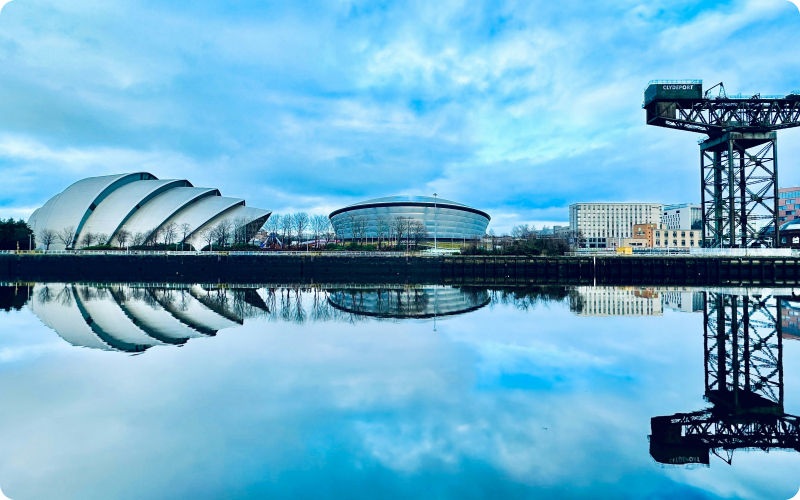
The Commonwealth Games are coming to Glasgow in 2026, but the bigger conversation isn’t about medals or venues; it’s about whether the event still makes sense at all. That might sound dramatic, but it’s hard to ignore how close these Games came to not happening this time around. Victoria pulled out as host over rising costs, and it took a last-minute intervention from Glasgow to keep things alive. At one stage, there was genuine concern the Games might not exist in the near future. That alone tells you where things stand.
The main issue is simple: money. Hosting major sporting events has never been cheap, but the Commonwealth Games sit in an awkward middle ground. They are not quite the Olympics in scale or prestige, but they still demand significant public investment. The 2010 Delhi Games reportedly cost around $11 billion, a figure that spiralled far beyond initial projections. More recently, Victoria labelled its own planned edition “all cost and no benefit” before pulling out.
It’s not just one-off cases either. Rising costs, combined with a global economic squeeze, are making governments far more cautious. As one analysis puts it, the growing awareness of the true cost of hosting will only push more cities away. And yet, writing the Games off completely feels too easy. Because when they work, they really work.

There is solid evidence that host cities benefit. Studies across multiple editions found that every dollar spent can generate roughly double in economic return, alongside thousands of jobs and long-term infrastructure improvements. Birmingham 2022, for example, brought investment into transport and venues that will outlast the event itself.
But the value of the Commonwealth Games isn’t just economic.
For many athletes, this is not a secondary competition. It’s the pinnacle. In sports like netball, squash, and lawn bowls, the Games provide a rare global stage that simply doesn’t exist elsewhere. For smaller nations, it’s even more significant. The absence of sporting powerhouses like the US and China creates space for countries and territories that would otherwise never reach a podium.
That matters more than people sometimes admit.
There’s also something unique about the identity of the Games. It’s not as polished or commercial as the Olympics, but that’s part of its appeal. It still carries a sense of accessibility and connection.
But that identity isn’t without its issues. The Games are still built around the idea of the “Commonwealth,” a concept that doesn’t really hold the same weight it once did. It’s a step on from the old British Empire Games, but in modern sport, the meaning feels a bit unclear. For a competition already trying to prove its relevance, being tied to something many now see as largely symbolic doesn’t always help.

So where does Glasgow 2026 fit into all of this? In many ways, it feels like a test run. The plan is to scale things back. Fewer sports, lower costs, existing venues. A more sustainable model that could make hosting realistic again. It’s less about the spectacle and more about survival.

The question is whether that shift saves the Games or strips away what made them special in the first place. Because that’s the balance the Commonwealth Games now has to find. Too big, and no one can afford to host. Too small, and it risks becoming irrelevant. Glasgow 2026 won’t answer everything, but it will tell us a lot. Not just about how the Games can be run, but whether they’re still worth running at all.


Comments