Why a Disjointed Visual Identity is Quietly Costing Your Brand
Updated: Sep 28
In sport, everyone understands team chemistry. When members of the team aren't on the same page, it shows in your performance and more often than not, leads to your downfall. Your brand’s visual identity works in exactly the same way. Every logo, colour, typeface, and image you put in front of the world is either pulling in the same direction or fighting against itself. Most organisations don't realise how much the latter is costing them.

Inconsistency Causes Confusion
Every time a fan, sponsor, or partner encounters your brand, their brain is making a split-second judgement. Not a conscious one, but an instinctive one. Do these people have their act together?
When your website uses one typeface, your stadium screens use another, and your community flyers use a third, that question gets louder. It creates a low-level friction that's hard to name but impossible to ignore.
This matters more than most organisations think. A sponsor evaluating a six-figure partnership isn't just looking at your audience numbers. They're reading your brand the same way they'd read a person's body language. Inconsistency signals disorganisation. And disorganisation is a dealbreaker.
The takeaway: Getting your visuals right isn't a cosmetic exercise. It's a trust signal.
A Unified Brand is a Faster Brand
Here's a practical problem that rarely gets discussed: a disjointed visual identity slows your whole operation down.
Every new campaign becomes a debate. What colours are we using? Which logo version? Does this feel on-brand? Hours are lost. Decisions get made differently by different people. The result is work that looks like it came from four different organisations — because, in effect, it did.
When you build a proper visual system a defined set of rules covering your colours, typography, imagery style, and layout principles, that problem disappears. Your team stops reinventing the wheel every time and starts executing with confidence. Work gets produced faster, at a higher standard, and with less back-and-forth.
Over time, this also reduces what you spend on external agencies, because the decisions have already been made.
The takeaway: A strong brand system isn't just about looking good. It's an operational asset that saves time and money.
Consistency Influences Perception and Drives Value
Look at the world's most commercially successful sports organisations such as Real Madrid, Manchester United, the Dallas Cowboys, the Golden State Warriors, and Ferrari. There's a reason their merchandise, stadiums, social media, and broadcast graphics all feel like they belong to the same world. That consistency is a deliberate, managed decision, and it pays.
When every touchpoint feels premium and intentional, whether it's a £5 keyring or a £50,000 hospitality package, the organisation feels like a premium institution. That perception has a direct impact on what sponsors will pay, what partners will commit to, and what fans will spend.
The reverse is equally true. Scrappy, inconsistent branding signals a lack of pride in the brand. The numbers follow the perception.
The takeaway: Visual cohesion is one of the fastest ways to move your brand into a higher commercial bracket.
Paris 2024 and the Power of a Visual System
The Paris 2024 Olympics is one of the clearest recent examples of what a fully realised visual identity can achieve.

The organisers didn't just commission a logo and call it done. They built an entire visual language drawing on Art Deco design, Parisian culture, and a bold, distinctive colour palette and applied it to everything. The purple athletics track, the sport-by-sport iconography, the merchandise, the venue dressing. Every single element felt like it came from the same place.


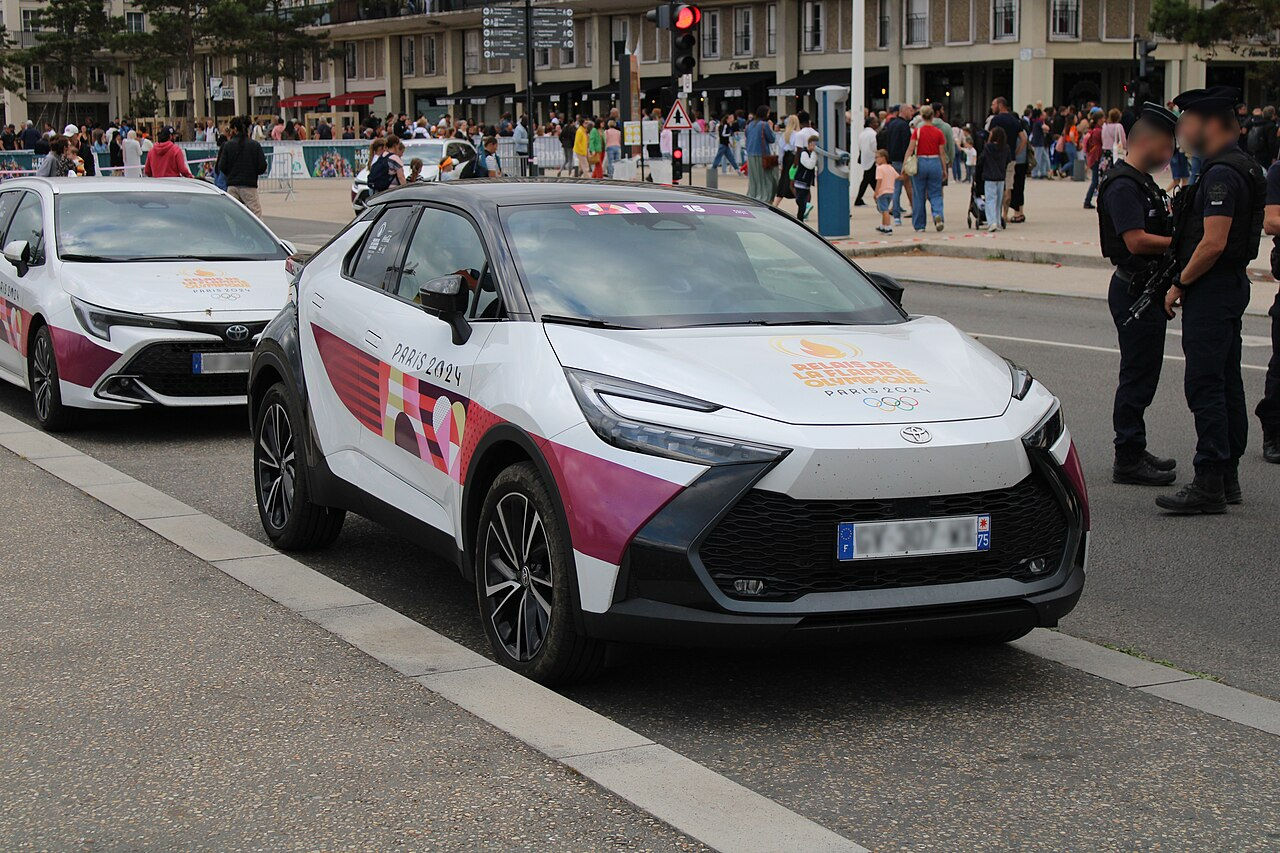
The result was a brand that felt closer to a luxury fashion house than a sporting event. LVMH Moët Hennessy Louis Vuitton SE came on board as a major partner and merchandise sold out. The brand generated genuine cultural conversation well beyond the sports audience.
None of that happens without the underlying system. The logo was the starting point, not the finish line. You can find an even more in-depth look at the visual identity of the Paris Olympics put together by Manon Rouan on the link below:
5 Signs Your Brand is Working Against You
If you're unsure whether your visual identity is a strength or a liability, here's what to look for:
Your social media and your website feel like strangers. One looks current and energetic; the other looks like it was designed by a different organisation in a different decade.
You have multiple versions of your own logo in active use. If different departments are pulling from different files, you've already lost control of your brand.
Your colour scheme isn't actually consistent. The red on your jersey, your printed materials, and your digital assets are all slightly different shades. It sounds minor. It isn't.
You're using more than three typeface families across your materials. Typography is one of the strongest carriers of brand personality. The more fonts in play, the more diluted that signal becomes.
Your photography and your graphics are telling different stories. High-quality, performance-focused images paired with cartoonish or throwaway graphics create a jarring disconnect that undermines both.
If any of those statements sounded familiar, the good news is that none of them are permanent. A clear-eyed audit and a properly built visual system can fix all of them — and the return on that investment shows up quickly, in places that directly affect your bottom line. Always remember, consistency is key!


Comments